India Pakistan Trade Unit India Pakistan Trade Unit Support for UK Trade
The time in India, Pakistan, Sri Lanka and Bangladesh

India:

Pakistan:

Sri Lanka:

Bangladesh:

United Kingdom(GMT):


Become a member of India Pakistan Trade Unit

Visa for India, Visa for Pakistan, Visa for Sri Lanka and Visa for Bangladesh

Indian Events & trade missions, Pakistan Events, Sri Lanka Events, Bangladesh Events

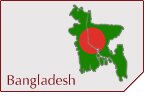
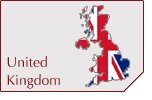
Maps of India, Pakistan, Sri Lanka, Bangladesh and the United Kingdom

EU Logo

UKTI Logo

Birmingham Chamber of Commerce and Industry

Last update: February 2008

United Kingdom

Economy

Sub Menu

Top of page Back to top of the page

Basic Economic Facts

GDP:

US $ 2.281 trillion (2008 est.)


GDP per head:

US $37,400 (2008 est.)


Annual Growth:

1.1% (2008 est.)


Inflation:

3.8% (2008 est.)


Major Industries:

Aerospace, automotive, financial services, tourism, electric power equipment, automation equipment, rail road equipment, shipbuilding, agriculture (cereals, oilseed, potatoes, vegetables; livestock; fish), mining & quarrying, manufacture of chemicals and chemical products and man-made fibres.


Sector Opportunities in the UK

The UK has a worldwide reputation in a number of sectors including:

  • Aerospace

The UK aerospace market's turnover continues to rise year on year and increased 5.5% from 2005 to £19.82bn in 2006, 2nd only behind the USA.

The UK unquestionably offers one of the world's most innovative and productive locations with R&D investment of over £2.5bn in 2006. This flair for innovation coupled with excellent capabilities and experience, continues to attract new orders on a global scale. In 2006 the UK new order intake was up 5.8% on the previous year in the aerospace industry at £26.18bn and with about 60% of the annual turnover being exported, it is one of the country's biggest exporting industries.

  • Automotive

The UK has a diverse, vibrant and world-class automotive industry. It is one of the five major automotive manufacturing countries in Europe, with over 5000 companies active in the sector.

The UK has the strongest independent aftermarket in Europe, with many small operators doing business alongside the big household names. Another key UK strength is specialist design engineering. Total automotive exports currently exceed £20bn annually.

  • Biotechnology

The UK biotechnology sector is number one in Europe for research and development and second only to the US in the world.

  • Chemical

The chemical industry is one of the UK's largest manufacturing sector, accounting for 11% of the value added by the whole of the UK manufacturing industry.

The industry has 60% of its output in the higher value added speciality chemicals and consumer products. This is higher than the USA with 40% and Germany with 35%.

The chemical industry in the UK directly employs around 200,000 people in 3,100 companies in chemicals. The industry accounts for 2% of gross domestic product (GDP) Chemicals generates a consistent trade surplus and is the UK's top manufacturing earner contributing a surplus approaching £8bn.

  • Communication

The UK has one of the largest Telecommunication markets in Europe.

Telecommunications contributes around £46.6 billion to the UK economy, of which £38.3 billion is retail revenue. It is also one of the most competitive markets in Europe with over 500 different service providers and 700 ISPs.

  • Electronic & IT Hardware

The UK's electronics industry is the fifth largest in the world, with a £55 billion annual turnover, second only, in Europe, to Germany. There are around 12,500 electronics businesses in the UK, most of which are small companies. The industry employs around 250,000 people. Electronics accounted for 18 per cent of total UK inward investment projects in 2005.

  • Healthcare & Medical

With its flagship National Health Service recognised the world over as a benchmark of medical excellence, the UK's healthcare reputation goes before it.  As well as standard healthcare services and products, UK companies fare well in sophisticated niche areas like diagnostics, bio-device interfaces, informatics and laboratory technology.

  • Mechanical Electrical & Process Engineering

Engineering makes a major contribution to the UK economy and represents a major trading sector. Manufacturing accounts for 15% of total UK GDP and the sector employs 3.5 million people, around 15% of the UK workforce. In 2006, manufacturing exports accounted for 60% of all UK exports.

Source: UK Trade & Investment


UK's Relations with India

Britain and India share a global vision and democratic values. UK and India both play a proactive role in international affairs. Both have a strong interest in success of multilateralism. Both play vital roles in the UN, WTO, Commonwealth and range of other bodies.

Both countries have wealth of cultural and ethnic diversity. India's diversity is legendary. In the UK ethnic minorities make up 8 per cent of the population: modern UK is a success in multiculturalism. Indian origin community in the UK now numbers over 1 million and is the most prosperous of the major ethnic communities in the country. A vital bridge between two countries.

India is now the 3rd largest foreign investor in the UK in terms of projects, second only to the US and Japan. In the first half of 2006, according to Ernst & Young's European Investment Monitor 2006 Report, Indian investment into the UK overtook Japan, making India the 2nd largest investor in the UK.

JETCO: The Joint Economic and Trade Committee, set up in January 2005, is helping India and the UK identify ways for further boosting bilateral trade and investment. It has already delivered a number of benefits. Power is one area of priority in the JETCO infrastructure group.

India is one of UK's largest export markets in the developing world and accounts for 80.4% (£2813m) of the total exports in the South Asia region. UK exports to India during 2005 have increased substantially by about 25.4% over the previous year. Major UK exports to India include: non-metallic minerals, gold, telecom equipment, transport equipment and industrial machinery. UK's imports from India: textiles and readymade garments, gems and jewellery, footwear, metal manufactures, organic chemicals and vegetables and fruit.

In 2005-06, Indian investments into the UK rose by 110%, an amazing leap for India on UK's investors' chart - from No. 8 to No. 3. (US and Japan were first and second respectively).


UK's Relations with Pakistan

UK exports to Pakistan were worth £346m in 2004 and £464m in 2005. Britain and Pakistan have always enjoyed good trade relations and many Pakistani businesses see Britain as the country of first choice to do business with. The UK is the fourth largest OECD exporting country to Pakistan, with an 8.9 percent share of the market. It is listed as the third largest investor in the country.

Bilateral trade has grown steadily since 2000 and is now worth some £ 950 million a year. Exports from UK rose 34% in 2005. The UK is the 4th largest trading partner among OECD countries- and the only one where the balance is in Pakistan's favour.

The main sectors of opportunity for UK are specialised industrial machinery, power generation machinery, telecom & broadcasting equipment, chemicals, pharmaceutical and medical equipment. The UK is a key market for Pakistani exports, particularly textiles, rice, leather, products, carpets and fruit. The UK is the 3rd largest overseas investor in Pakistan with US $ 181.5m and 11.9% market share (July 04-June 05). There are over 80 British companies operating in Pakistan.

The Pakistani-British Business Advisory Group, launched by the Prime Minister in 2002, comprises a small group of heads of British companies in Pakistan and heads of Pakistani companies with ties to the UK. It also includes representatives of the British and the Pakistani governments. The group aims to promote durable ways to build the UK/Pakistan commercial relationship further. Pakistan's Minister of Commerce, Mr Humayun Akhtar Khan inaugurated the Pakistan-Britain Trade and Investment Forum in London on 8 May 2003.


UK's Relations with Bangladesh

UK exports to Bangladesh were worth £80m in 2005. Britain has traditionally been the biggest overseas investor in the country and over 50 British companies operate there.

The main exports to Bangladesh are power generation equipment (10% of the total), general industrial machinery and dyeing, tanning and colouring materials. The UK has also been traditionally successful in the construction sector, especially bridge building and also in the consultancy and education sectors.

UK imports from Bangladesh had reached £600 million by November 2004, an increase of 13% on the same period in 2003. Ready made garments, which enjoy tariff free access to the EU under the Generalised System of Preferences Scheme (GSP), account for approximately 79% of all imports with seafood and textile yarn and fabrics being the most significant other sectors.

The UK is historically the largest investor in Bangladesh with over 50 companies operating in the market.


UK's Relations with Sri Lanka

Sri Lanka is among the most liberal economies in South Asia and in 2005 imported £113m British goods. The UK is the ninth largest exporter to the country.

Recent governments have privatised public sector industries, abolished foreign exchange and import controls, reduced tariffs and adopted a development strategy to encourage foreign investment. Coupled with a relatively affluent population, these measures make Sri Lanka a good market for UK consumer goods both reconditioned and new.

UK imports from Sri Lanka have consistently exceeded UK exports to Sri Lanka. Exports have declined during the period 2001 to 2004 from £142.4 million to £138.8 million and imports have steadily increased from £400.8 million to £466.9 million during the period 2001 to 2004.


Entry Clearance

Please visit UK visas website (http://www.ukvisas.gov.uk) to find out if you need a visa, or entry clearance to enter or transit through the UK. If you are already in the UK and want to change or extend your stay, please contact: Immigration and Nationality Directorate


Cultural Relations with the UK - India

The British Council's India operation is one of its largest in the world, with offices in the four metro cities and British Libraries in seven other cities, the latter managed in co-operation with the Indian Council for Cultural Relations. The Council's main activities involve offering library services to 112,000 private and 4,000 corporate members, marketing UK education, administering 80,000 UK examinations per year, and running a varied programme of projects in governance and human rights, science and technology, the arts and English language teaching and teacher training. In recent years, the British Council has also introduced an on-line service to reach a wider audience of young Indians.

Cultural Relations with the UK - Sri Lanka

The British Council has English Teaching Centres in Colombo (one of the fastest growing in the network with well over 3000 students) and Kandy, and is involved in English language projects throughout the island. It also runs busy libraries at the teaching centres, and maintains a lively arts programme.

The Council runs an education information service that offers detailed information on all aspects of the British education system, and administers exams in Colombo and Kandy.

In Sri Lanka the Council also works closely with the Ministry of Education on its education reform agenda, particularly at Primary level.


Human Rights

Human rights are in the heart of UK foreign policy. The Human Rights Act 1998 is a United Kingdom Act of Parliament which received Royal Assent on November 9, 1998, and came into force on October 2, 2000. Its aim is to "give further effect" in UK law to the rights contained in the European Convention on Human Rights.

Drafted soon after the end of the Second World War, in 1953 the UK was one of the first countries to sign up to the convention, in which Articles 2 to 14 specify the rights that are protected. Currently, over 45 countries are members. Over the years, protocols have been added through agreement between participating nations - not all protocols must be agreed to by all nations, though it is encouraged. The UK has signed up to two of the protocols that guarantee additional rights (the First and Sixth Protocols) but not to the others (the Fourth, Seventh and Twelfth Protocols).


Last update: February 2008

Top of page Back to top of the page

Regions

India Pakistan Sri Lanka Bangladesh UK

Indian News, Pakistan News, Sri Lanka News, Bangladesh News

India: Elite confronts crisis of western capitalism

Pakistan: Germany keen to Invest

Sri Lanka: In talks with Qatar for toll expressway, resorts: economic minister

Bangladesh: Knitwear exporters hit tokyo focus

Text Only Email IPTU+44(0) 121 450 4250 India Pakistan Trade Unit Terms
Copyright ©2008 India Pakistan Trade Unit. All Rights Reserved.  Web design by Websynergi